
Are Lab Diamonds a Good Investment? Resale Value & Market Trends
- August 1, 2026
- 31
Diamonds have traditionally been associated with luxury, rarity, romance, and long-term value. But the rise of lab-grown diamonds has changed the way consumers think about diamond ownership.
Today, buyers can choose a laboratory-created diamond with essentially the same chemical composition and crystal structure as a mined diamond, often at a significantly lower purchase price. This raises an important question:
Are lab diamonds a good investment?
The short answer is: lab-grown diamonds can be an excellent luxury purchase, but they should generally not be treated as a conventional financial investment.
Their biggest advantage is affordability. A buyer can often purchase a larger or higher-quality diamond for the same budget that would buy a smaller natural diamond. However, the same technology that makes lab-grown diamonds affordable also creates a major challenge for future resale: supply can continue to increase as production technology improves.
The market has already experienced substantial price declines. De Beers’ 2026 Diamond Report states that wholesale prices for synthetic lab-grown diamonds declined by 93% since 2020, with average wholesale pricing around $100 per carat in the period covered by its report.
That doesn’t mean lab diamonds have no value. It means buyers need to understand the difference between luxury value, emotional value, retail value and investment value.
Are Lab Diamonds a Good Investment?
If by “investment” you mean buying something today with the expectation that its market price will increase in the future, lab-grown diamonds generally aren’t an attractive investment category.
If by investment you mean getting maximum luxury, size, beauty and quality for your money, the answer can be very different.
A lab-grown diamond may allow a buyer to spend the same budget on:
- A larger carat weight
- Better color
- Higher clarity
- A premium cut
- A more elaborate setting
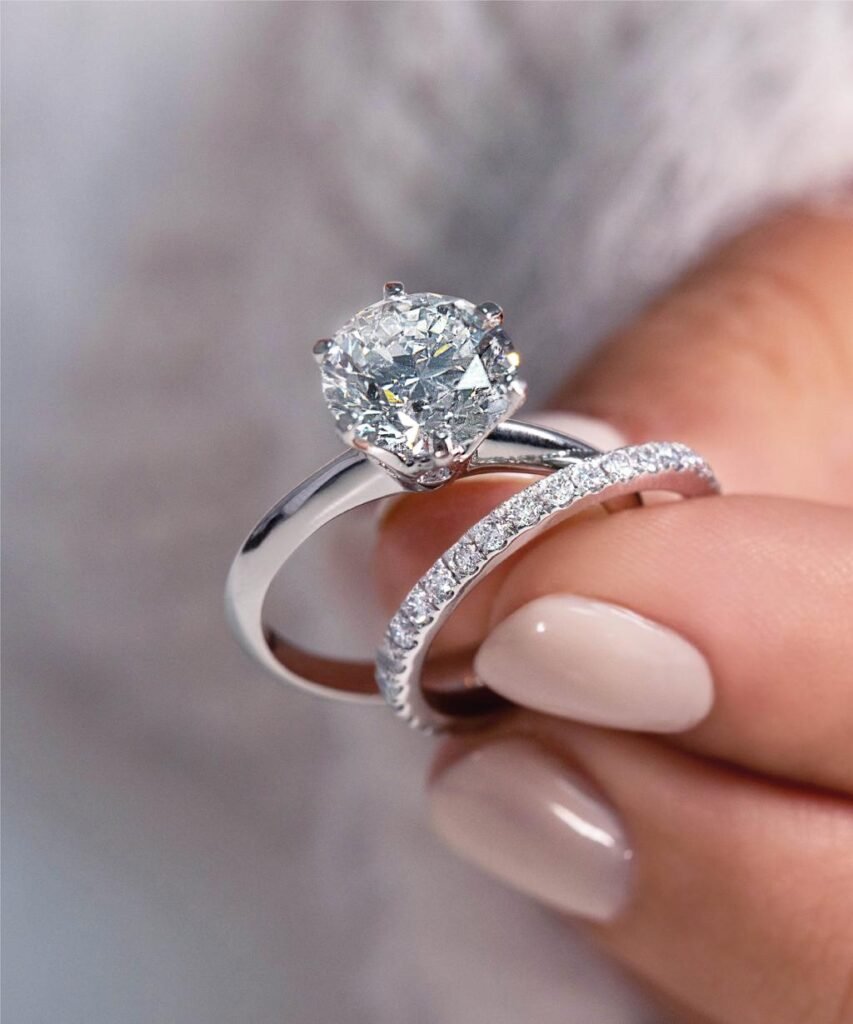
- A larger engagement ring
For example, someone with a fixed jewelry budget might have to choose between a smaller natural diamond and a considerably larger lab-grown diamond.
The lab-grown option can therefore offer strong purchasing value, even if it doesn’t provide strong financial returns.
This distinction is crucial:
A good-value purchase isn’t necessarily a good financial investment.
That principle applies to many luxury products, including watches, designer handbags, cars and jewelry.
What Is a Lab-Grown Diamond?
A lab-grown diamond is a diamond produced using advanced technology rather than extracted from the earth.
The two primary production methods are:
1. CVD – Chemical Vapor Deposition
CVD uses a controlled environment in which carbon-containing gases are used to grow diamond material layer by layer.
2. HPHT – High Pressure High Temperature
HPHT technology recreates conditions similar to those involved in natural diamond formation by using high pressure and high temperature.
The resulting material is a genuine diamond rather than a diamond imitation such as cubic zirconia or moissanite.
For consumers, the important distinction is primarily origin:
- Natural diamond → formed naturally underground.
- Lab-grown diamond → created in a laboratory or manufacturing facility.
- Diamond simulant → another material designed to look like a diamond.
This distinction matters enormously when discussing resale and investment.
Lab Diamond Resale Value: What Should Buyers Expect?
One of the biggest misconceptions surrounding diamonds is that every diamond automatically retains a large percentage of its original retail price.
In reality, retail price and resale price are very different things.
When you purchase a diamond ring, your payment may include:
- Diamond cost
- Gold or platinum
- Jewelry manufacturing
- Brand premium
- Retailer’s operating costs
- Marketing
- Certification
- Packaging
- Taxes
- Retail margins
When you later sell the item, a buyer isn’t necessarily willing to reimburse all those costs.
This is particularly important for lab-grown diamonds.
Independent resale discussions commonly report substantial depreciation, and one 2025 resale guide estimated that lab-grown diamonds could retain roughly 20–40% of original purchase price, although actual results vary significantly depending on the stone, retailer, setting and buyer.
These figures should not be treated as guaranteed resale rates.
The actual amount you receive could be substantially higher or lower.
Why Do Lab-Grown Diamonds Have Lower Resale Potential?
There are several reasons.
1. Increasing Supply
Natural diamonds take geological time to form.
Lab-grown diamonds can be produced using industrial processes.
As manufacturing capacity expands, supply can increase much more quickly.
This creates a fundamentally different economic model.
De Beers reported in 2026 that synthetic diamond wholesale prices had fallen 93% since 2020, demonstrating how dramatically the wholesale market has changed.
If a consumer buys a lab diamond today and equivalent stones become significantly cheaper in the future, the resale market will naturally be affected.
2. Technology Continues to Improve
Manufacturing efficiency can reduce production costs.
Better equipment, improved growing techniques and increased competition can allow producers to manufacture diamonds at lower prices.
This is good news for future consumers.
But it can be challenging for someone who purchased a similar diamond at a much higher price several years earlier.
In simple terms:
Lower future production costs can mean lower future market prices.
3. Limited Secondary-Market Demand
A strong resale market requires buyers.
Natural diamonds have an established ecosystem involving:
- Jewelry stores
- Dealers
- Auction houses
- Estate jewelry buyers
- Collectors
- Private buyers
The secondary market for lab-grown diamonds is still developing.
That doesn’t mean nobody will buy them.
It means the number of potential buyers and the pricing structure can be different.
Lab Diamonds vs Natural Diamonds: Which Has Better Resale Value?
This is one of the most important questions for luxury jewelry buyers.
In general, neither ordinary natural diamonds nor ordinary lab-grown diamonds should automatically be considered investment assets.
However, natural diamonds have historically had a stronger secondary-market infrastructure, especially for unusual or highly desirable stones.
There is also an important distinction between:
A normal commercial diamond
and
A rare, collectible diamond.
Exceptional natural diamonds can sometimes command significant prices because their value is connected to rarity, provenance, color, size, quality and collector demand.
Lab-grown diamonds, by contrast, are generally easier to reproduce.
That reproducibility is one of their greatest consumer benefits—but also one reason their investment case is weaker.
Current consumer research also shows that natural diamonds continue to hold a strong position in luxury jewelry. De Beers’ 2026 U.S. consumer study found natural diamonds ranked ahead of synthetic lab-grown diamonds as the most desired luxury jewelry product among surveyed consumers.
The Biggest Advantage of Lab Diamonds: Value for Money
If resale isn’t your primary objective, lab-grown diamonds become much more attractive.
Imagine you have a fixed jewelry budget.
You could use the budget for:
Option A: Smaller Natural Diamond
You may prioritize natural origin and traditional rarity.
Option B: Larger Lab-Grown Diamond
You may prioritize:
- Carat size
- Color
- Clarity
- Cut
- Design
- Visual impact
Neither choice is automatically “better.”
It depends on what you value.
For someone purchasing an engagement ring primarily for its symbolism and appearance, the ability to buy a larger diamond can be a significant advantage.
Market Trends: Where Are Lab-Grown Diamonds Heading?
The lab-grown diamond industry is experiencing rapid change.
The most important trend is falling prices combined with increasing consumer awareness.
De Beers’ latest industry report highlights the pressure created by increasing supply, competition, easier price comparison and improvements in technology.
At the same time, lab-grown diamonds are becoming increasingly visible in mainstream jewelry.
This creates a fascinating contradiction:
Demand is growing, but prices can still fall.
Why?
Because demand isn’t the only factor.
If supply grows faster than demand, prices can decline even while more people purchase the product.
Lab Diamond Market Trend #1: Falling Prices
Price declines are probably the biggest factor affecting the investment argument.
Consumers who buy lab-grown diamonds benefit from lower prices.
However, someone hoping for appreciation faces a difficult environment.
If a diamond that costs $2,000 today can be purchased for $1,200 or $800 later, it becomes difficult for the original buyer to sell it for a profit.
Lab Diamond Market Trend #2: Growing Consumer Acceptance
Lab-grown diamonds have moved beyond being a niche alternative.
They are increasingly marketed as:
- Affordable luxury
- Modern luxury
- Ethical luxury
- Sustainable-conscious jewelry
- Customizable fine jewelry
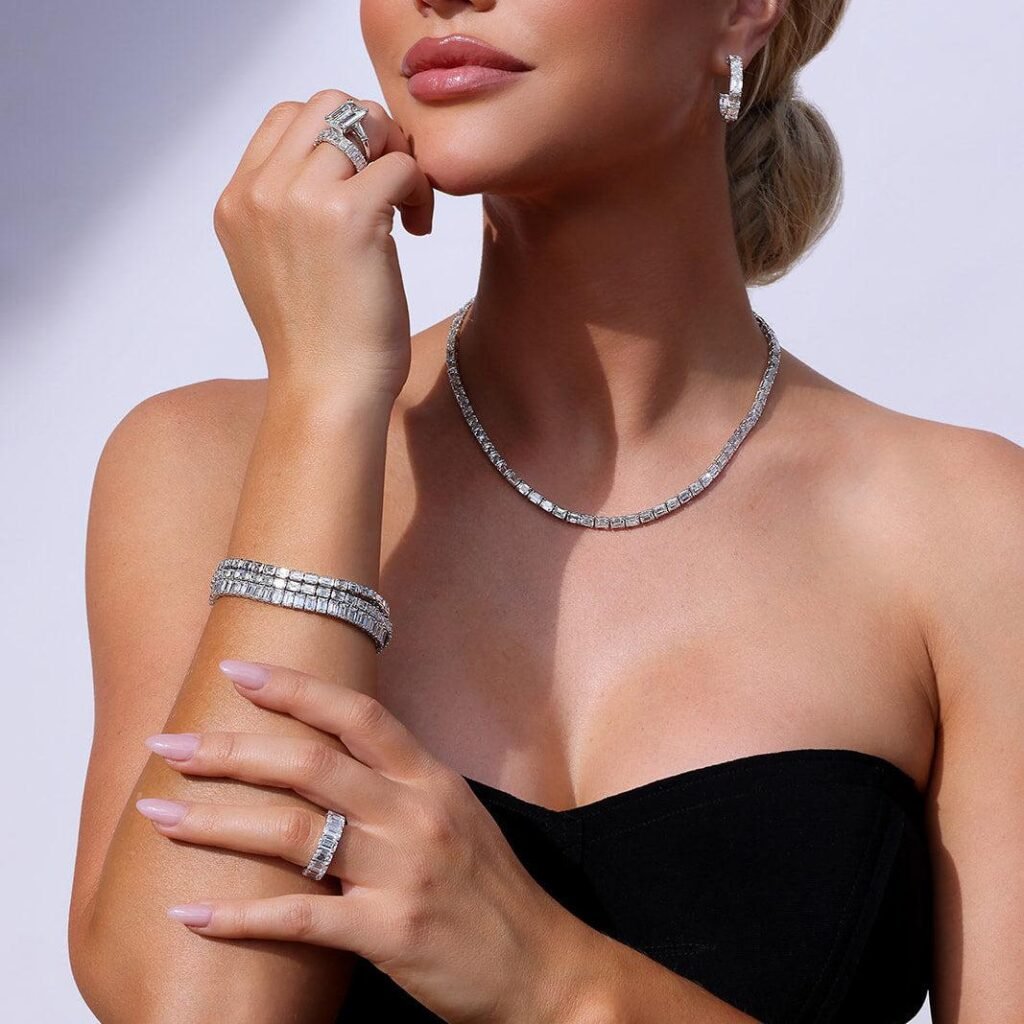
Retailers are also offering lab-grown diamond engagement rings, earrings, necklaces and bracelets.
This growing acceptance can support long-term demand.
But growing demand doesn’t necessarily mean rising prices.
Lab Diamond Market Trend #3: Younger Consumers Are Changing Luxury
Younger luxury consumers often place greater emphasis on:
- Personal style
- Value
- Transparency
- Customization
- Sustainability
- Technology
- Size and visual appearance
De Beers’ 2026 consumer research found Gen Z had become an important segment of the natural diamond market, while synthetic diamond jewelry sales were also increasing in volume. However, falling lab-grown retail prices meant synthetic stones represented a smaller share of sales value than their unit volume might suggest.
This highlights an important point:
More units sold doesn’t necessarily mean higher prices.
Are Lab-Grown Diamonds Worth Buying for Luxury Jewelry?
Absolutely—if your objective is luxury enjoyment rather than financial appreciation.
Lab-grown diamonds can be particularly attractive for consumers who want:
Bigger visual impact
A larger diamond can create a dramatic presence without requiring the budget associated with a comparable natural diamond.
Higher specifications
You may be able to choose a better color or clarity grade.
Modern designs
Lab-grown stones work particularly well with contemporary jewelry designs.
Custom jewelry
Because the stone itself can be more affordable, consumers may allocate more of their budget toward the setting and craftsmanship.
Everyday luxury
A buyer may feel more comfortable wearing a larger lab-grown diamond regularly rather than treating an extremely expensive natural diamond as something that must be protected.
What Actually Determines Lab Diamond Resale Value?
If you’re still concerned about future resale, several factors matter.
1. Diamond Cut
Cut is one of the most important characteristics for visual beauty.
A well-cut diamond can perform better visually than a poorly cut stone with a higher laboratory grading specification.
Prioritize:
Excellent cut + strong proportions + attractive light performance.
2. Shape
Popular shapes can have broader buyer appeal.
Common choices include:
- Round
- Oval
- Emerald
- Cushion
- Radiant
- Pear
- Princess
However, fashion trends can change.
3. Certification
A recognized independent grading report can help establish the diamond’s characteristics.
Before buying, verify:
- Carat weight
- Color
- Clarity
- Cut
- Measurements
- Laboratory report number
- Growth method where disclosed
Certification doesn’t guarantee resale value, but it can make the stone easier to evaluate.
4. Brand Reputation
A reputable jewelry brand can provide additional confidence around:
- Craftsmanship
- Certification
- Warranty
- After-sales service
- Buyback policies
- Customer support
But remember:
A brand premium you pay today may not be recovered when you resell tomorrow.
5. Metal Value
When purchasing a ring, don’t look only at the diamond.
Gold and platinum have their own market value.
For example, an 18K gold setting contains valuable precious metal independent of the diamond.
This means a jewelry piece can have some residual value even when the diamond itself experiences significant depreciation.
Buyback and Upgrade Policies Matter
One of the smartest things a lab-grown diamond buyer can do is check the retailer’s policies before purchasing.
Look for:
- Lifetime upgrade programs
- Buyback guarantees
- Exchange policies
- Trade-in conditions
- Minimum upgrade requirements
- Store-credit terms
- Certification requirements
- Return periods
Don’t assume that “lifetime buyback” means you will receive the original purchase price.
Read the exact terms.
A retailer might offer:
Buyback = a percentage of eligible value
rather than:
Buyback = your original invoice price.
Are Lab Diamonds a Good Investment in 2026?
Based on current market conditions, it would be risky to purchase a lab-grown diamond specifically expecting its price to appreciate.
The industry is experiencing:
- Falling wholesale prices
- Increasing production capacity
- Greater price transparency
- Strong competition
- Growing consumer adoption
- Rapid technological development
The 2026 De Beers report specifically identifies continuing price pressure from increasing supply and competition.
So, if your definition of investment is:
“I want to buy something today and sell it for more money later,”
a lab-grown diamond is generally not a strong candidate.
But if your definition is:
“I want to maximize the amount of luxury and beauty I receive for my budget,”
then lab-grown diamonds can be an excellent choice.
The Luxury Buying Reality
Luxury jewelry is rarely just an investment.
People buy diamonds because they represent:
- Engagements
- Weddings
- Anniversaries
- Personal achievements
- Birthdays
- Family milestones
- Self-reward
- Personal style
A diamond can therefore have emotional value that cannot be calculated through resale price.
A ring purchased to celebrate a marriage may be priceless to its owner even if the secondary market value is substantially lower.
That’s why the smartest approach is to separate two concepts:
Financial Investment
Something purchased primarily with the expectation of financial appreciation.
Luxury Purchase
Something purchased for beauty, enjoyment, symbolism, craftsmanship and personal satisfaction.
A lab-grown diamond fits much more naturally into the second category.
Lab-Grown Diamonds in Dubai and the UAE
Dubai is one of the world’s major luxury shopping destinations, making lab-grown diamonds increasingly relevant to modern jewelry consumers.
For buyers in the UAE, the purchasing decision can involve additional considerations such as:
- Retailer reputation
- Certification
- Custom jewelry
- Gold purity
- International pricing
- Warranty
- Exchange policies
- Buyback terms
- VAT and applicable charges
- After-sales service
The UAE’s luxury market also makes presentation and craftsmanship particularly important.
A lab-grown diamond can therefore be positioned not simply as a “cheap diamond,” but as a modern luxury product offering size, design flexibility and value.
For a buyer shopping for lab-grown diamond jewelry in Dubai, the goal should be to find the right balance between diamond quality, craftsmanship, certification, brand trust and price.
Are Lab Diamonds a Good Investment?
Lab-grown diamonds are generally not a strong financial investment, but they can be an excellent luxury purchase.
Their major advantage is the ability to obtain impressive size and quality at a significantly lower initial price than many comparable natural diamonds.
Their biggest disadvantage is resale.
As production technology improves and supply increases, lab-grown diamond prices have faced significant downward pressure. De Beers reported a 93% decline in synthetic diamond wholesale prices since 2020, highlighting the scale of the change.
Therefore, buyers should have realistic expectations.
If your goal is wealth preservation or financial appreciation, traditional investment assets may be more appropriate.
If your goal is a beautiful engagement ring, luxury jewelry, personal milestone piece or larger diamond for your budget, lab-grown diamonds can make a great deal of sense.
The smartest mindset is simple:
Buy a lab-grown diamond for the beauty, quality, craftsmanship and experience—not because you expect to sell it for a profit.
And if resale matters to you, focus on excellent cut, reputable certification, strong craftsmanship, competitive pricing and a retailer with clear upgrade or buyback policies.
That’s the reality of modern diamond luxury: the best value isn’t necessarily the diamond that appreciates—it can be the diamond that gives you the most beauty and satisfaction for what you spend.
Related posts
Lab Grown Diamond Wholesale Sourcing UAE: What Jewellery Businesses Need to Know
The UAE’s lab-grown diamond trade hit a record 76.9 million carats in 2025, up 91.5 percent on
Reliable Lab Grown Diamond Supplier UAE: A Wholesale Buyer’s Verification Checklist
Reliable Lab Grown Diamond Supplier UAE: A Wholesale Buyer’s Verification Checklist The UAE’s
Lab Grown Diamonds Wholesale UAE: The Ultimate Buying Guide
Lab Grown Diamonds Wholesale UAE: The Ultimate Buying Guide The UAE traded a record 76.9 million carats
Lab Grown Diamond Suppliers Dubai: Essential 2026 Guide
Lab Grown Diamond Suppliers Dubai: Why UAE Jewellers Are Making the Switch The UAE traded 76.9 million
B2B Lab Grown Diamond Supplier UAE: A Complete Buying Guide
B2B Lab Grown Diamond Supplier UAE: A Complete Buying Guide UAE lab-grown diamond trade jumped 91.5%
Lab Grown Diamond Supplier UAE: 10 Things to Check
10 Things to Consider When Choosing a Lab-Grown Diamond Supplier in the UAE Choosing a lab grown diamond
Categories
NEW POSTS


Lab Grown Diamonds Wholesale UAE: The Ultimate Buying Guide



Leave a comment